
Officer Reports Tell One Side of the Story
Resisting arrest defense in San Angelo for individuals facing charges that compound existing criminal allegations in Tom Green County
Resisting arrest charges carry a specific and underappreciated risk: they rarely appear alone. In Tom Green County, these charges surface during traffic stops, warrant executions, and courthouse interactions, and when stacked on top of other pending allegations, they can substantially increase sentencing exposure in ways that affect the entire case—not just the resisting charge itself. The Law Office of Eric Oden defends individuals in San Angelo who are facing resisting arrest charges and need an attorney who understands how those charges interact with the broader case and where the government's account can be challenged. Eric Oden makes accessibility a priority, answering his own phone and returning calls within 24 hours on weekdays whenever possible, so case-specific questions get answered by the attorney handling the matter.
Resisting arrest defense focuses on the factual record of the encounter: police reports, body camera footage, dashcam recordings, and any available witness accounts. Those sources rarely align perfectly with each other, and the gaps and inconsistencies they reveal are central to the defense. Texas law requires that the arrest being resisted was lawful for the resisting charge itself to stand—which means the underlying circumstances of the stop or warrant execution are directly relevant. The force used by officers during the encounter, the duration and character of the interaction, and whether the defendant's conduct actually meets the statutory definition of resisting are all factual and legal questions that must be answered from the actual record rather than the officer's written version alone.
Bring the case specifics to The Law Office of Eric Oden for a direct review of the charges, the available footage, and the defense options that apply to your situation.
How Resisting Arrest Charges Are Evaluated and Contested
Body camera footage has become the most significant evidentiary source in resisting arrest cases, and its value to the defense depends entirely on whether it is obtained and reviewed in full—including footage from all officers present, not just the primary arresting officer. In Tom Green County resisting arrest cases, the footage often captures details about the circumstances of the encounter that police reports describe differently or omit entirely. That comparison—between what was written and what the camera recorded—is where the defense typically begins to take shape. Witness statements from bystanders, if the encounter occurred in a public setting, add another layer of verification against the official account.
Once the full factual record is assembled, the picture of what actually occurred becomes documentable rather than contested. When the evidence shows that the defendant's conduct did not rise to the level the charge requires, or that the underlying stop or detention was unlawful, those findings become the basis for challenging the charge before trial or contesting it directly in front of a jury. The interaction between a resisting charge and any other pending allegations also becomes clearer at this stage—understanding how the charges affect each other strategically matters for how the overall defense is approached.
The Law Office of Eric Oden operates as an exclusive criminal defense practice, which means resisting arrest cases receive the same methodical review applied to any other criminal charge, regardless of how the charge is categorized on its face. Eric Oden's background as a former Tom Green County prosecutor provides direct knowledge of how these encounters are documented and presented for prosecution, which informs both what to look for in the record and what the district attorney's office typically relies on to support these charges.
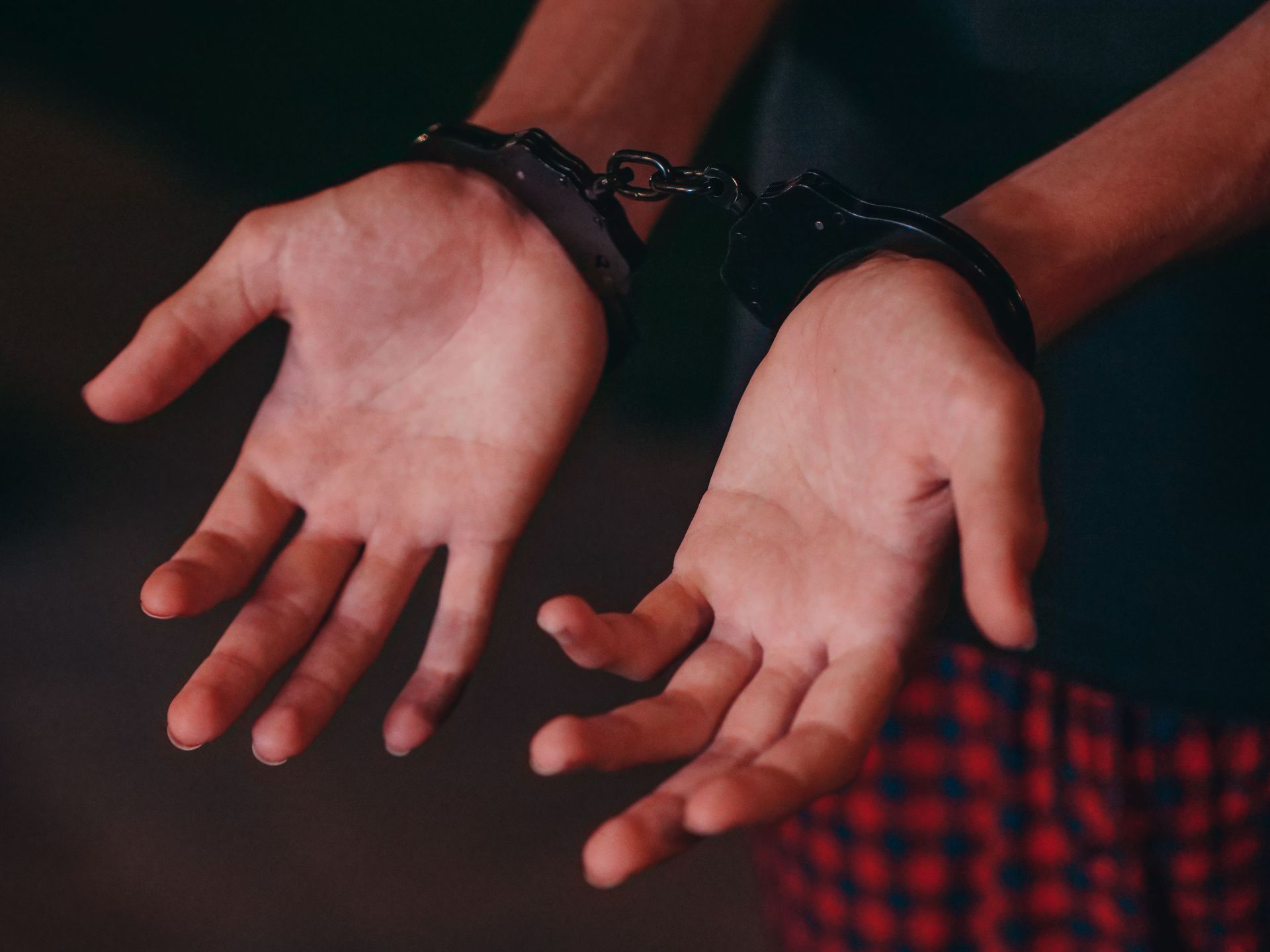
Resisting arrest cases involve a narrow but important set of legal and factual questions that determine whether the charge can be sustained. The following addresses how that determination is made.
What does Texas law actually require to prove a resisting arrest charge?
Texas requires proof that the defendant intentionally prevented or obstructed an officer from making an arrest or search.
How does body camera footage affect the defense strategy in these cases?
Body camera footage provides an objective record of how the encounter unfolded, and when it contradicts the written police report—in sequencing, in the level of force used, or in what was said—those inconsistencies become the foundation for challenging the state's account in court.
How do resisting arrest charges interact with other pending allegations in San Angelo?
A resisting charge added to existing allegations can elevate the overall sentencing exposure significantly; how that charge is handled—whether dismissed, reduced, or taken to trial—has direct consequences for the negotiating position and potential outcome of the accompanying charges.
What specific conduct does and does not meet the statutory definition of resisting arrest?
Pulling away from an officer's grip, verbal objection, or reflexive movement in response to pain may not meet the statutory threshold depending on the specific facts; the determination requires examining the defendant's actual conduct against the legal standard rather than accepting the charge as filed.
What to Know About How Resisting Arrest Defense Is Handled
The Law Office of Eric Oden provides resisting arrest defense with direct attorney handling from the first review of the police report and footage through every subsequent stage of the case. The Law Office of Eric Oden also handles resisting arrest defense in Ballinger, Junction, Wall, Brady, and Christoval. To review the specific facts of your case, call (325) 455-3224.