
Burglary Allegations Require Careful Factual Analysis
Burglary defense in San Angelo for individuals charged in Tom Green County residential, commercial, or rural property cases
A burglary charge in Tom Green County can arise from situations that look nothing like what most people picture when they hear the word—property disputes that escalate into criminal allegations, ambiguous entries onto rural acreage, or commercial incidents where the facts of what actually occurred are far more complicated than the charge filed suggests. The Law Office of Eric Oden provides burglary defense in San Angelo for individuals who need an attorney capable of examining the actual evidence rather than accepting the state's characterization of events. Eric Oden brings twelve years of criminal defense practice and a background as a former Tom Green County prosecutor to cases where the distinction between burglary, trespass, and theft can mean the difference between a felony and a far lesser charge.
Burglary defense begins with the specifics of how entry occurred, whether force or threat of force was involved, and what the evidence actually demonstrates about intent at the moment of entry. Under Texas law, burglary requires proof of intent to commit a crime inside the structure—an element that is frequently contested and rarely straightforward. Eric Oden examines how each element of the charge is supported by the evidence in the actual case file, distinguishing between what the prosecution has alleged and what it can prove. In many Tom Green County burglary cases, the facts support trespass or theft rather than burglary, and the defense strategy is built around that distinction from the outset.
Schedule a case review with The Law Office of Eric Oden to examine the specific facts and charges in your burglary case.
What Proper Burglary Defense Requires
Effective burglary defense requires more than disputing that an entry occurred—it requires a close factual examination of every element the state must prove, including the specific structure involved, the manner of entry, and the evidence bearing on what the defendant intended at the time. Surveillance footage, witness statements, and physical evidence about how entry was made or attempted are each examined for reliability and completeness. If property boundaries are at issue, as they often are in cases involving rural land outside San Angelo, the defense must also address how those boundaries were defined and communicated. The difference between contested property access and criminal burglary turns on factual questions that deserve a thorough, methodical answer.
After a complete review of the case file, the legal categories available become clear. When the evidence supports trespass rather than burglary, or theft rather than a felony entry charge, the defense focuses on that distinction—both in negotiations with prosecutors and, if necessary, at trial. You will understand specifically what the state's evidence shows and what it does not, and what charge the facts actually support rather than what was filed at the point of arrest.
The Law Office of Eric Oden handles burglary cases exclusively within a criminal defense practice, making accessibility a priority by answering his own phone and returning calls within 24 hours on weekdays whenever possible. Cases are not delegated; the attorney who reviews your case is the attorney who handles it through every subsequent stage, whether that means pretrial negotiation, suppression motions, or trial preparation.
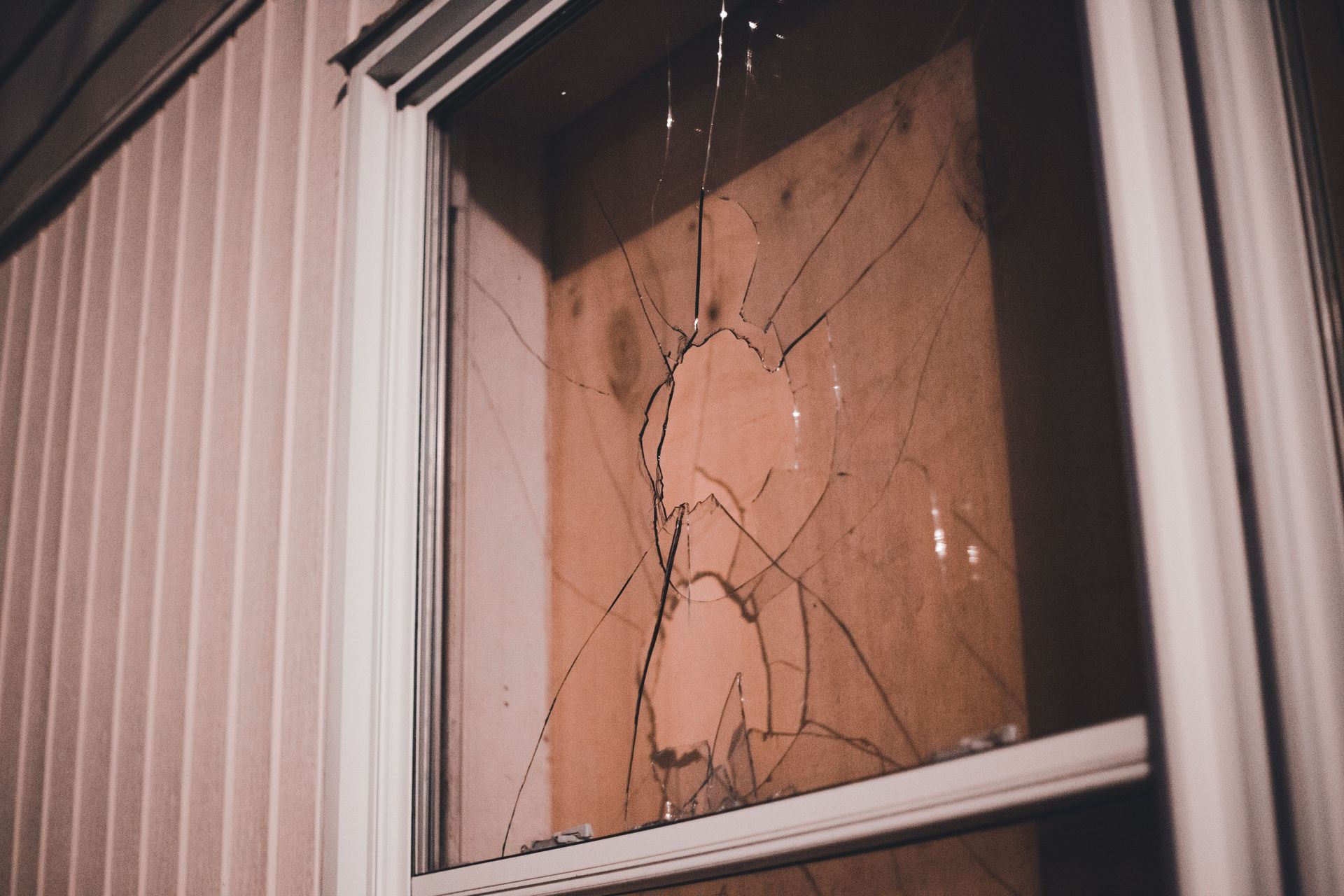
Burglary cases in Tom Green County often involve fact patterns that are more ambiguous than the charge implies. The following addresses how defense counsel evaluates and challenges these cases.
What is the legal distinction between burglary and trespass in Texas?
Burglary requires proof that the defendant entered a structure without consent and with the intent to commit a felony, theft, or assault inside—trespass, by contrast, requires only unauthorized entry without that intent element, making it a significantly less serious offense with far lower sentencing exposure.
How does intent get proven in a Texas burglary case?
The state relies on circumstantial evidence to establish intent, such as tools found at the scene, the time of entry, whether anything was taken or disturbed, and statements made before or after the entry; each of these can be examined and contested for what it actually demonstrates.
What evidence is most important to examine early in a burglary defense?
Surveillance footage from the property or nearby locations, the responding officer's report, witness statements, and physical evidence about how and where entry occurred are all reviewed immediately, since the details documented at that stage often differ from the version of events the charge implies.
How do rural or outlying property cases affect the burglary analysis in San Angelo?
Cases involving rural properties or land outside city limits often involve genuine disputes about property ownership, consent, or boundary lines that must be resolved before the criminal elements of the charge can be properly evaluated—factors that do not appear in straightforward urban burglary cases.
What happens if the charge filed does not match what the evidence shows?
When the evidence supports a lesser charge such as trespass or theft rather than burglary, that finding becomes the foundation for negotiations with the Tom Green County prosecutor's office toward a charge that accurately reflects what the facts demonstrate.
Answers About How Burglary Defense Is Handled
The Law Office of Eric Oden handles burglary defense with direct attorney involvement from initial case review through resolution or trial. The Law Office of Eric Oden also represents individuals facing burglary charges in Ballinger, Junction, Wall, Brady, and Christoval. To begin a factual review of your case, call (325) 455-3224.