When a Traffic Stop Turns Into a Criminal Charge
DWI Defense in San Angelo for drivers facing breath test results, field sobriety evaluations, or blood draw evidence that may not hold up to scrutiny
A DWI arrest generates a specific set of documents—the traffic stop report, field sobriety test notes, breath test machine records, and sometimes a blood draw chain-of-custody log. Each of those documents contains details that determine whether the evidence against you is legally usable. The Law Office of Eric Oden examines each piece of that record to identify where the procedures broke down and what that means for your defense.
San Angelo's law enforcement agencies conduct DWI stops regularly, and the local court system has established procedures for how breath testing, field sobriety evaluation, and blood collection are supposed to be handled. Those procedures exist because shortcuts produce unreliable results—and unreliable results are a defense. Eric Oden spent 12 years practicing exclusively criminal defense, and his background as a former prosecutor gives him a precise understanding of how DWI cases are assembled before they reach a courtroom.
Call (325) 455-3224 to speak directly with Eric Oden about the specifics of your stop and what the evidence in your case actually shows.
Why DWI Evidence Fails More Often Than Defendants Expect
DWI defense starts before the breath test results—it starts with the stop itself. Officers must have a legal basis to pull you over, and if that basis is weak or undocumented, the evidence gathered afterward may be challengeable. From there, the analysis moves to whether the officer observed the required fifteen-minute pre-test period before administering a breath test, whether the testing device had a current and valid maintenance record, and whether the field sobriety tests were administered according to standardized protocols. These are not technicalities for their own sake—they are the procedures designed to make the evidence reliable, and when they're skipped, the reliability of the result is legitimately in question.
After a thorough evidence review, the defense options become clearer. If a suppression motion succeeds in excluding a breath test or blood draw result, the prosecution's case changes substantially. If field sobriety test administration was faulty—officers frequently score these tests incorrectly because the evaluation criteria are more specific than most people realize—that becomes part of the negotiating position or trial strategy. What you'll see at the end of this process is either a negotiated outcome that reflects the actual strength of the evidence or a prepared trial defense built on the specific facts of your case.
Blood draw cases involve an additional layer: chain-of-custody documentation from the collection site to the laboratory. Mishandling at any point in that chain—improper storage temperature, delays in processing, or labeling errors—can affect the admissibility of the result. Eric Oden evaluates both the collection process and the lab documentation when blood evidence is involved.
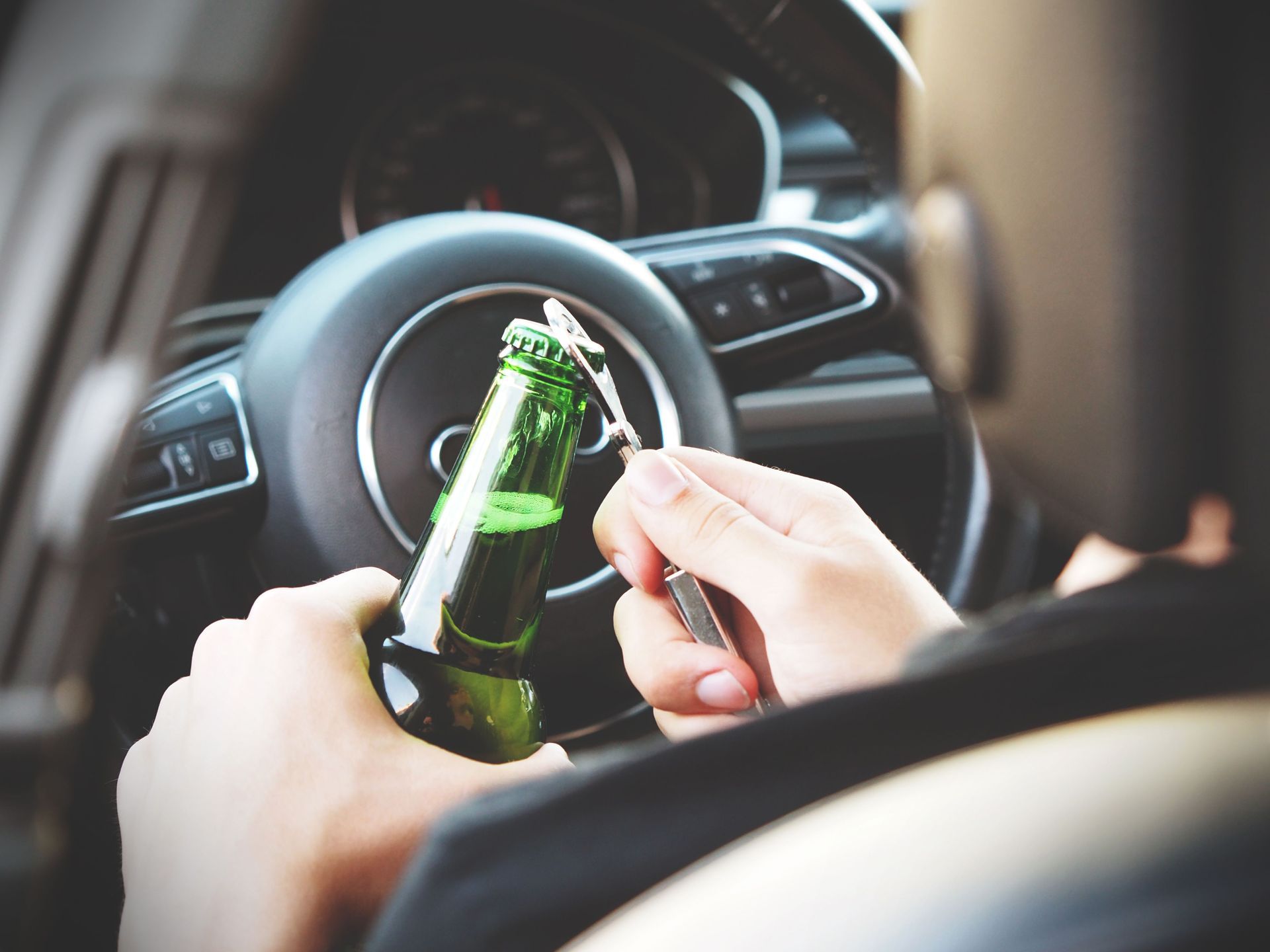
These questions address the process of building a DWI defense, from the initial stop review through trial preparation or resolution.
What makes a traffic stop legally insufficient as the basis for a DWI arrest?
Officers must be able to articulate a specific, observable reason for pulling you over—vague or inconsistently documented stops create grounds to challenge the legality of the detention and anything that followed.
How is a breath test machine's maintenance record relevant to a DWI defense?
Texas law requires breath testing instruments to be regularly calibrated and maintained according to specific schedules; a machine without current documentation produces results that can be challenged as unreliable.
What does the fifteen-minute observation period mean and why does it matter?
Before administering a breath test, officers are required to observe the subject continuously for fifteen minutes to ensure nothing is consumed or occurs that could affect the reading—failure to complete this observation is a procedural error that affects the test's validity.
How are field sobriety tests evaluated in a DWI defense?
Standardized field sobriety tests have specific administration criteria established by the National Highway Traffic Safety Administration; deviations in how the officer conducted or scored the tests affect whether those results can be presented as reliable evidence.
What happens to a DWI case when the blood draw documentation has gaps?
Chain-of-custody problems—missing collection signatures, storage temperature deviations, or processing delays—give the defense grounds to argue the sample was not properly maintained, which affects whether the lab result is admissible.
Answers About How DWI Defense Is Handled
The Law Office of Eric Oden also handles DWI defense in Ballinger, Junction, Wall, Brady, and Christoval. To review the evidence in your DWI case with an attorney who answers his own phone and guarantees a callback within 24 hours on weekdays,
call (325) 455-3224.